
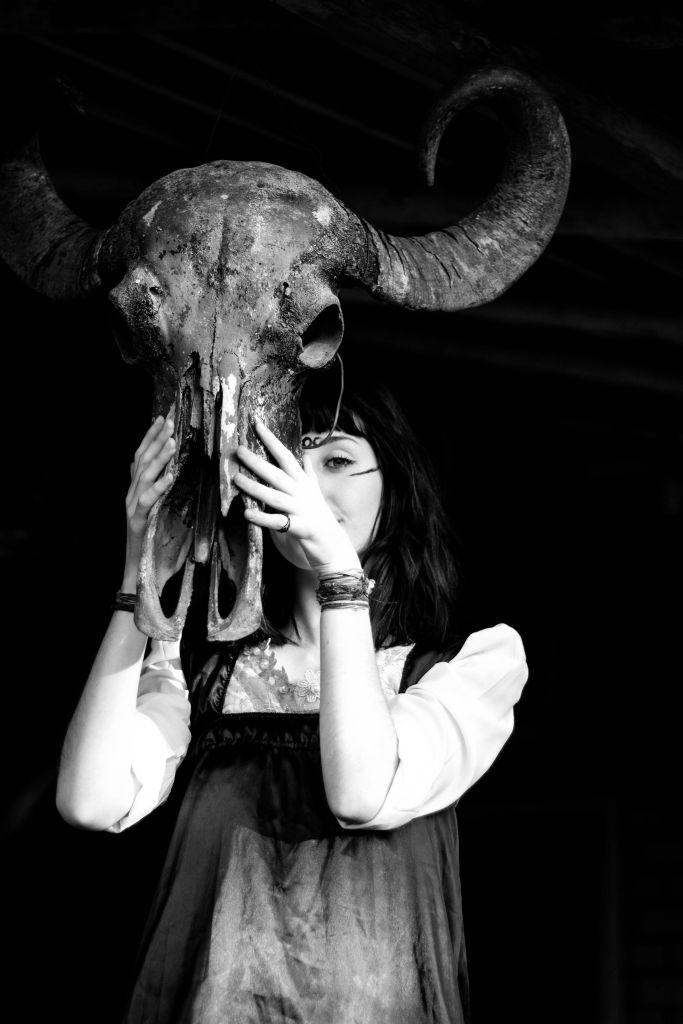
The occult has long captured the fascination and curiosity of people around the world. The term “occult” refers to the study of mysterious or supernatural phenomena that fall outside the realm of traditional scientific understanding. The occult encompasses a wide range of beliefs, practices, and rituals that often involve the supernatural, mystical, and esoteric.
From ancient civilizations to modern times, the occult has left an indelible mark on human history. Practices such as astrology, alchemy, divination, and magic have been intertwined with various cultures and belief systems, shaping the way people perceive the world and their place in it. While some view the occult with skepticism or fear, others are drawn to its mystique and the promise of unlocking hidden knowledge and powers.
One of the most enduring aspects of the occult is its association with secret societies and mysterious symbols. Organizations like the Freemasons, the Rosicrucians, and the Ordo Templi Orientis have been linked to occult practices, fostering an air of intrigue and speculation. These groups often claim to possess ancient wisdom and esoteric teachings that are passed down through exclusive initiatory traditions.
The practice of magic, or the manipulation of supernatural forces to bring about desired outcomes, is a central element of many occult traditions. Whether through ceremonial rituals, spellcasting, or invocation of spiritual entities, practitioners of magic seek to tap into hidden powers to influence the world around them. While some dismiss magic as mere superstition, others attest to its profound influence on their lives and experiences.
For some, the occult serves as a spiritual or philosophical pursuit, offering a distinct perspective on the nature of reality and the human experience. Concepts such as karma, reincarnation, and the interconnectedness of all things are prevalent in many occult belief systems, emphasizing a holistic understanding of existence that transcends conventional boundaries.
Despite its enduring allure, the occult has often been met with suspicion and persecution throughout history. Practices deemed heretical or blasphemous have been targeted by religious and secular authorities, leading to witch hunts, inquisitions, and censorship. Even today, the occult continues to provoke controversy and debate, as it challenges established norms and beliefs.
In contemporary culture, the occult has experienced a resurgence of interest, manifesting in various forms such as New Age spirituality, Wicca, and the blending of esoteric practices with popular culture. Books, movies, and television shows often incorporate occult themes, captivating audiences with tales of mysticism, the supernatural, and the unexplained.
Ultimately, the occult remains a captivating enigma, inviting individuals to delve into the depths of human consciousness and the mysteries of the universe. Whether approached with skepticism or reverence, the study of the occult offers a compelling lens through which to explore the realms of spirituality, metaphysics, and the boundless potential of the human mind.
 Amaranthslair